
Search Arizona Traffic Court Records
Traffic court records in Arizona are public documents stored at Justice Courts, Municipal Courts, and the Superior Court system. Most traffic violations get filed at city or county courts depending on where the citation was issued. State law lets you search these records to look up case details, check ticket status, or find out about past violations. Each court keeps its own files. Some let you search online. Others need you to call or visit in person. The Arizona Judicial Branch runs a statewide case lookup tool that covers over 150 courts. You can use it to find civil and criminal traffic cases filed across the state.
Arizona Traffic Court Records Quick Facts
Arizona Traffic Court System
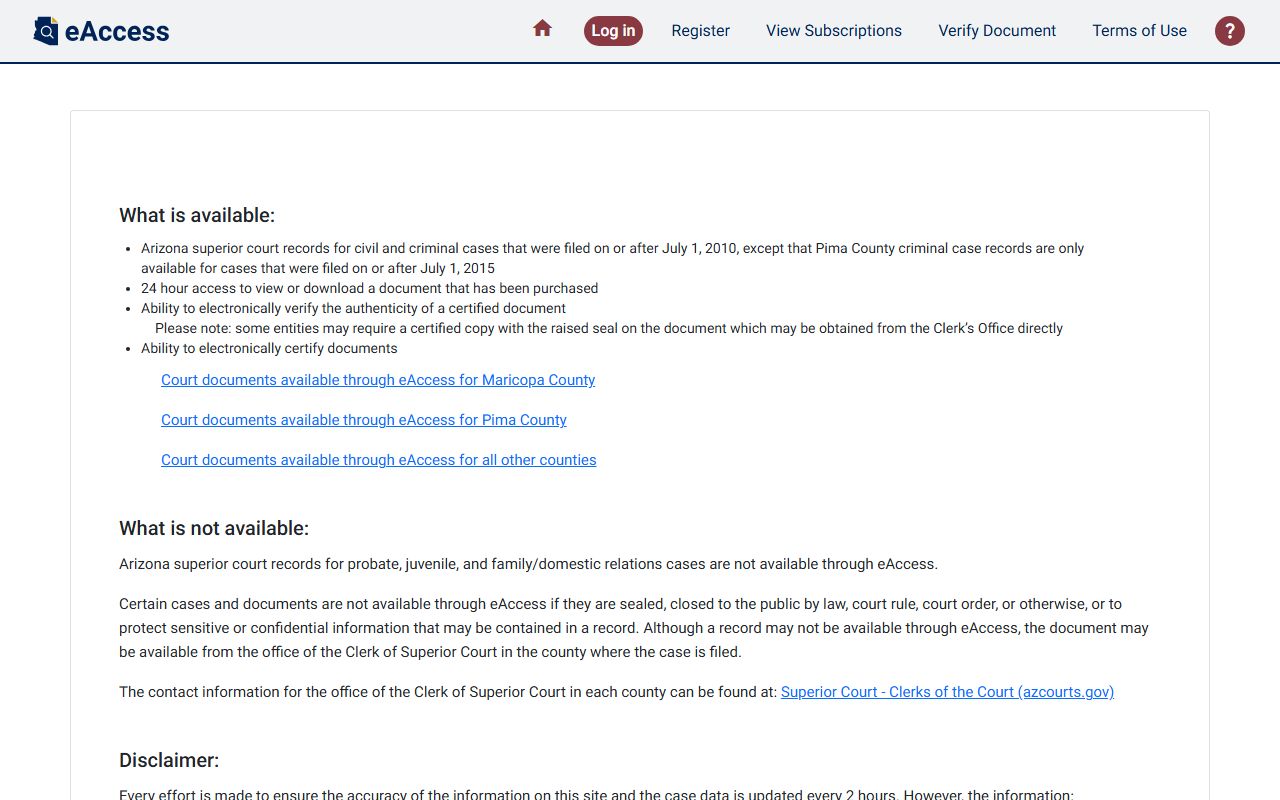
Arizona has three types of courts that handle traffic violations. Justice Courts process tickets from county and state law enforcement. These courts exist in every county. Maricopa County alone has 26 Justice Court precincts. Municipal Courts handle citations written by city police within city limits. Each incorporated city runs its own court. Superior Courts hear appeals from lower court decisions and also handle some serious criminal traffic charges like extreme DUI cases.
Most people deal with Justice Courts or Municipal Courts for standard traffic tickets. If a state trooper or county deputy writes your ticket, the case goes to Justice Court. If city police write the ticket, it goes to Municipal Court in that city. The ticket tells you which court to contact. It also lists the date you must respond by. Missing that date can lead to a default judgment, extra fees, and a hold on your vehicle registration through the Traffic Ticket Enforcement Assistance Program. That program is known as TTEAP. The Motor Vehicle Division puts a hold on registration renewal when courts report unpaid tickets. You have to clear the debt before you can renew.
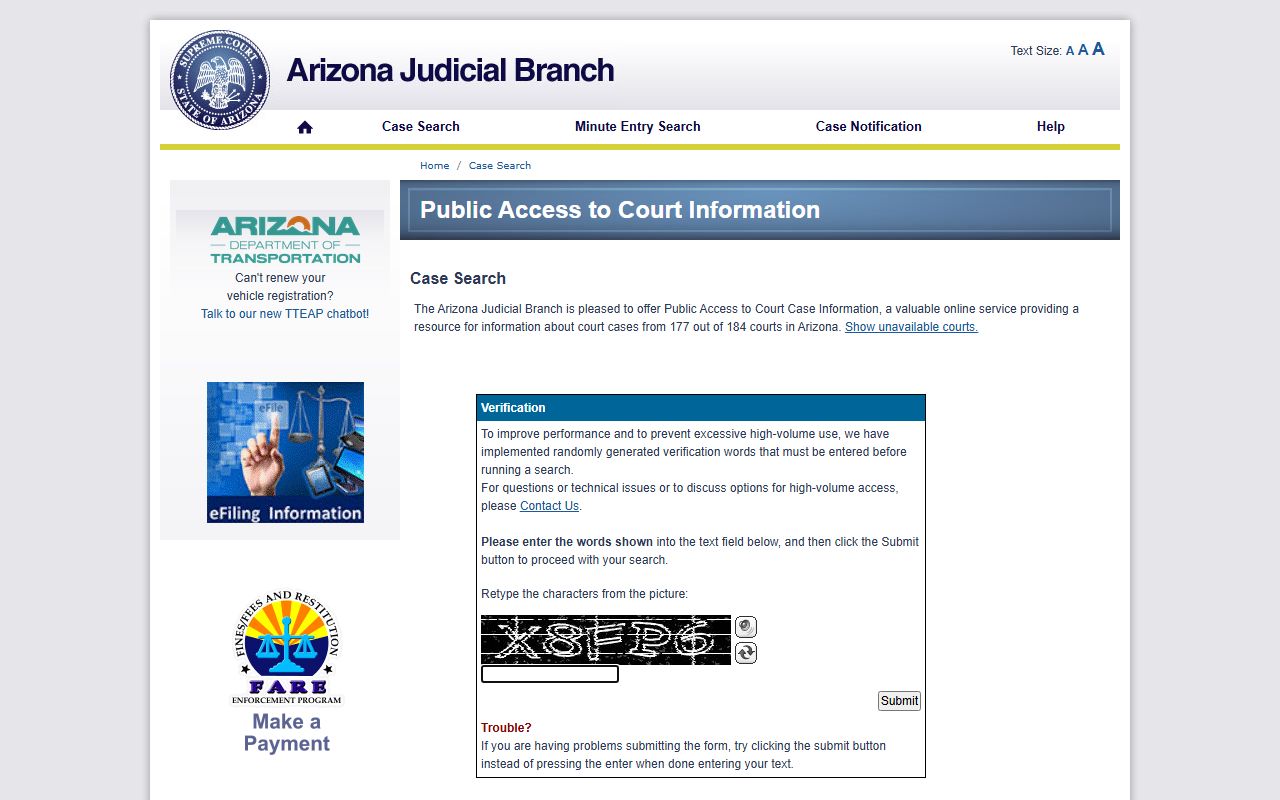
The Arizona Judicial Branch Public Access system covers 153 out of 180 courts statewide. You can search by name, case number, or citation number. The system shows case status, charges, and court dates. Some case details may not show up right away. Courts need time to enter new tickets into the system.
Note: Not all courts participate in the public access system yet.
How to Look Up Traffic Cases
You can search traffic court records online, by phone, or in person at the courthouse. Online search is the fastest method for most cases. The statewide system lets you search from home any time. County and city courts also run their own websites. Many offer case search tools and online payment options.
To search on the Arizona Courts Public Access site, you need at least one piece of information. A case number works best. If you do not have that, use your full name and date of birth. The system searches across all participating courts at once. Results show the court name, case number, filing date, and current status. You can click into each case to see charges, fines, and upcoming court dates. The site does not charge a search fee. It is free to use.
For in-person searches, visit the court listed on your citation. Bring a photo ID. Court staff can look up your case and print copies of documents. Copy fees are typically 50 cents per page under Arizona Revised Statutes Section 12-115. Certified copies cost more. Most courts charge $17 to $35 for certification. You may also need to pay a research fee if the clerk has to search for old records. That fee is $17 at most courts per ARS Section 22-404.
Phone searches work too. Call the court during business hours. Give them your case number or full name and birth date. Staff can tell you your balance, court date, and payment options. They cannot give legal advice. If you need help understanding your case, talk to a lawyer.
Motor Vehicle Records
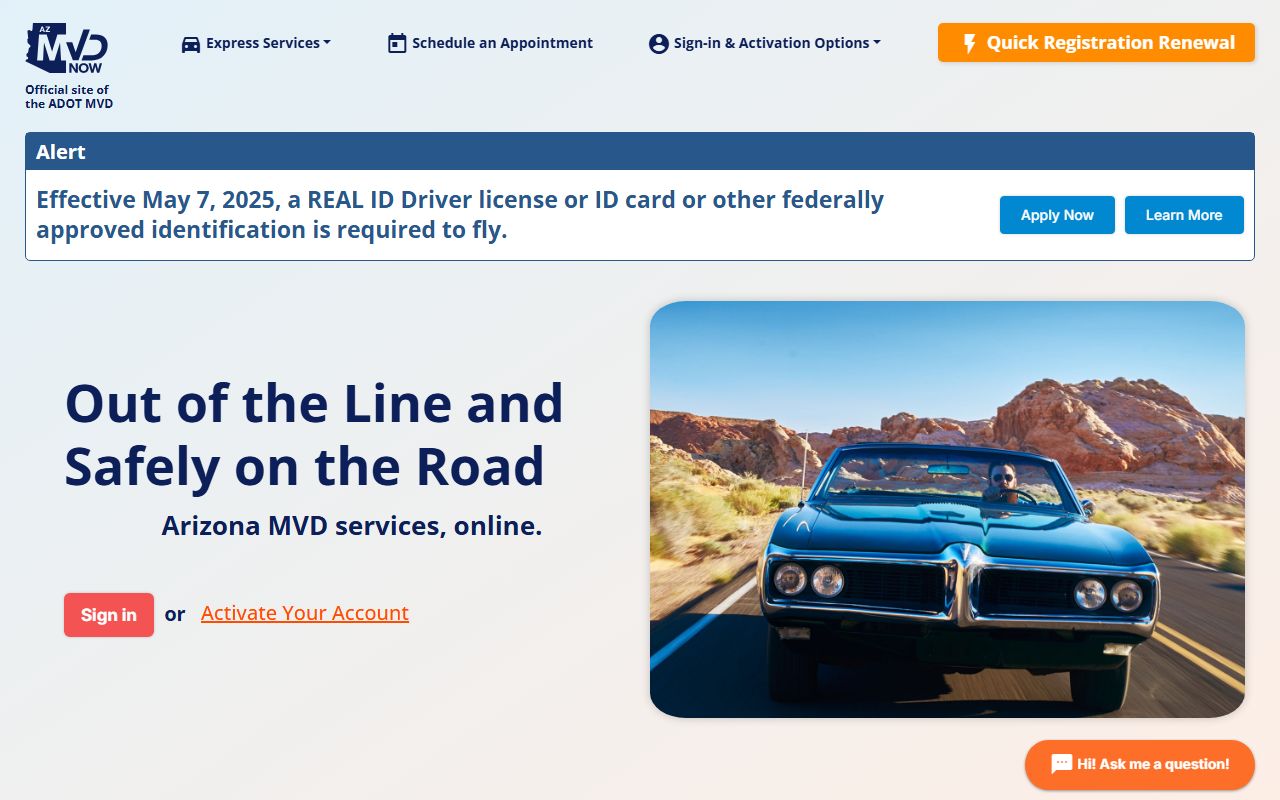
The Arizona Motor Vehicle Division keeps driving records separate from court files. Your MVD record shows license status, points, and suspensions. It does not include full court case details. You can order your own driving record online at AZMVDNow.gov. The cost is $3 for a three-year uncertified record or $5 for a five-year certified record.
To get someone else's driving record, you need their written permission and a valid reason under the Driver Privacy Protection Act. Employers, insurance companies, and lawyers can request records for certain purposes. Use MVD Form 46-4416 to submit a request by mail. Mail it to the address on the form with the fee and required documents. You can also visit any MVD office or authorized third-party provider. Staff will witness your signature on the form so you do not need a notary.
MVD records show convictions reported by courts. Traffic tickets appear on your record after you pay the fine, complete defensive driving school, or get convicted at trial. The record lists the violation, date, and points assessed. Arizona uses a point system. Too many points lead to license suspension. Most tickets add 2 points. Serious violations like DUI or reckless driving add more. You can check your point total by ordering your driving record.
Defensive Driving School Option
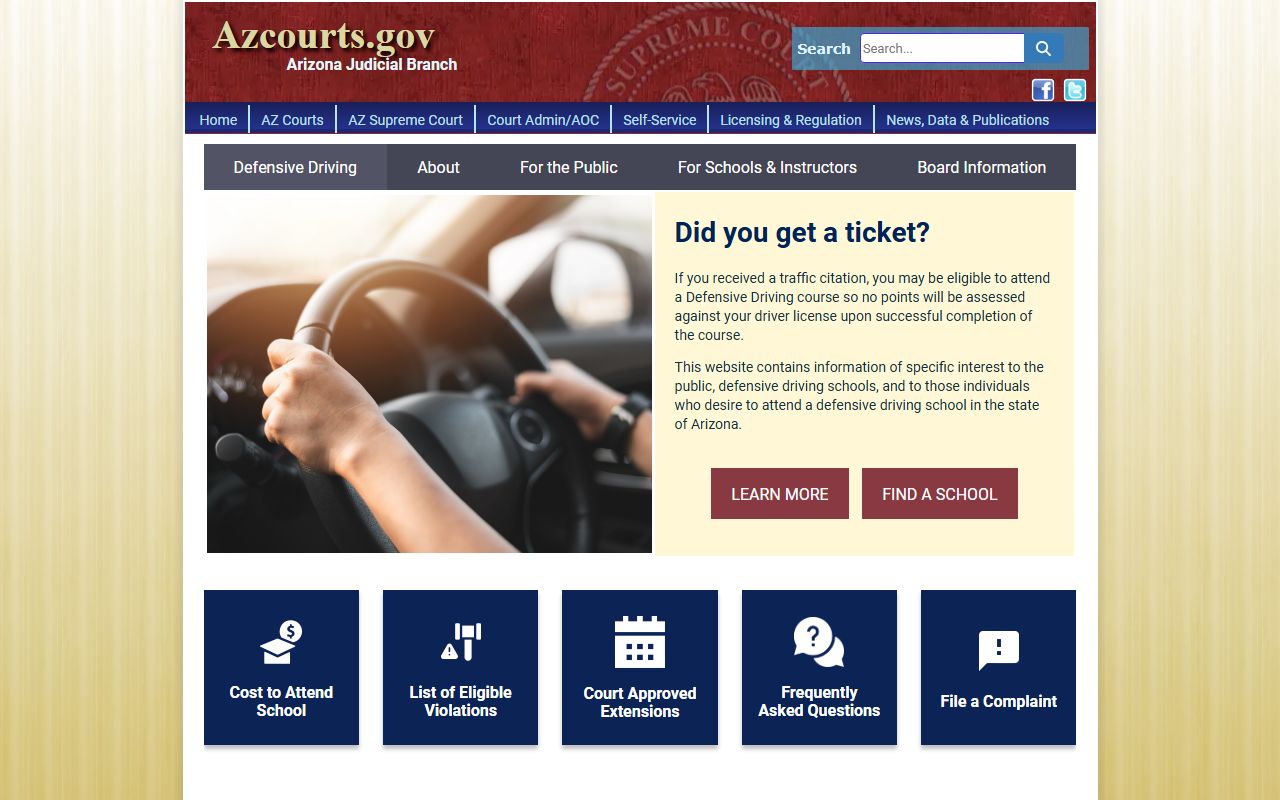
Arizona lets eligible drivers attend defensive driving school to avoid points on their license. You can use this option once every 24 months for most civil traffic violations. The Arizona Supreme Court runs a portal at azcourts.gov/drive where you can check eligibility and find approved schools.
You must complete the class at least 7 days before your court date. The course takes about 4 hours. Schools charge their own fees, usually $15 to $30. After you finish, the school sends a completion certificate to the court. You still pay a small court fee, but no points go on your record if you complete the class on time. ARS Section 28-3392 sets the eligibility rules. Commercial drivers and people with certain violations cannot use defensive driving school.
Traffic Ticket Enforcement Assistance Program
TTEAP is a state program that helps courts collect unpaid traffic fines. When you fail to pay or appear, the court tries to contact you twice. After two failed attempts, the court reports your case to the MVD. The MVD then places a hold on your vehicle registration. You cannot renew your plates until you clear the debt.
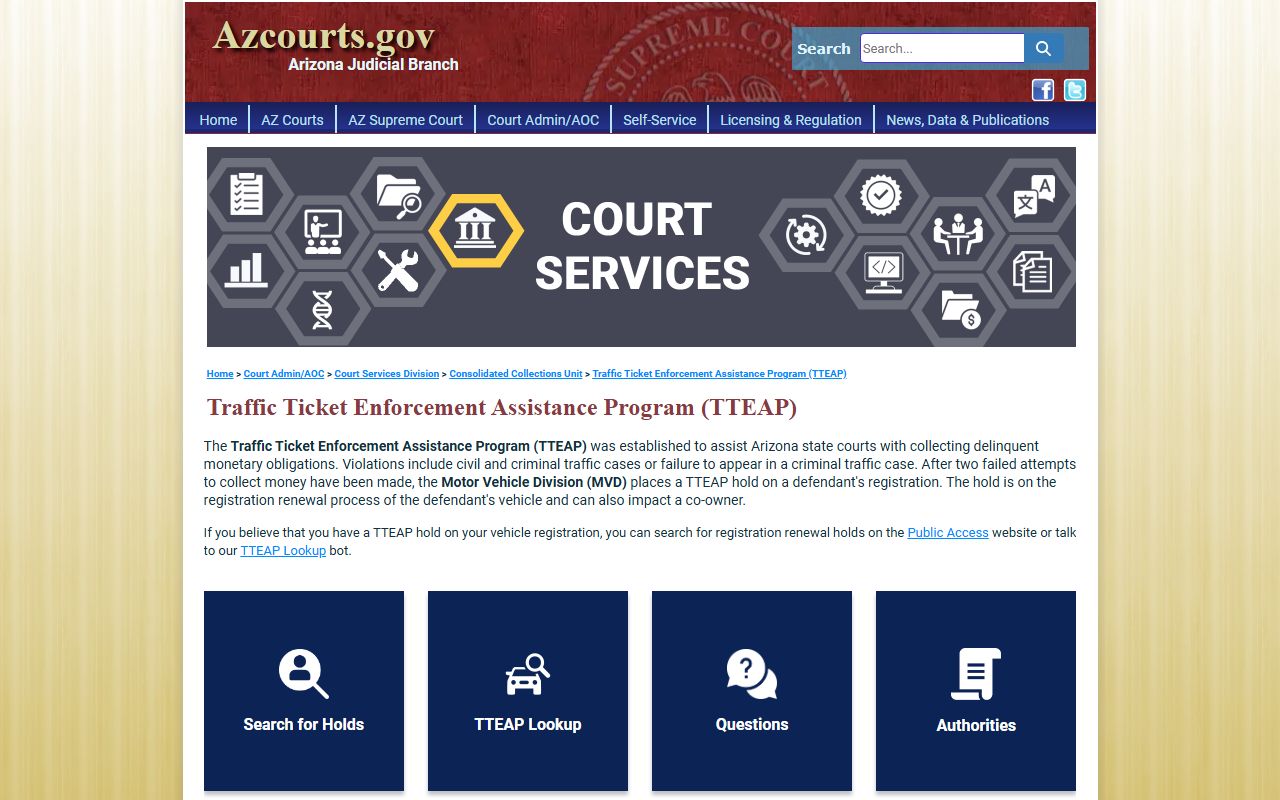
The hold affects all registered owners of the vehicle. If you co-own a car with someone who has unpaid tickets, your registration renewal gets blocked too. To lift the hold, pay the full amount owed or set up a payment plan with the court. Once paid, the court releases the hold. It can take a few days for MVD systems to update. You can check for holds by trying to renew online at ServiceArizona.com. The system will tell you if a TTEAP hold exists. For more information, visit the TTEAP information page or use the TTEAP chatbot for questions.
Department of Public Safety Collision Reports
The Arizona Department of Public Safety maintains accident reports for crashes investigated by state troopers on highways and interstates. You can request these reports through the DPS Records Request Portal. Reports are ready about 14 days after the incident.
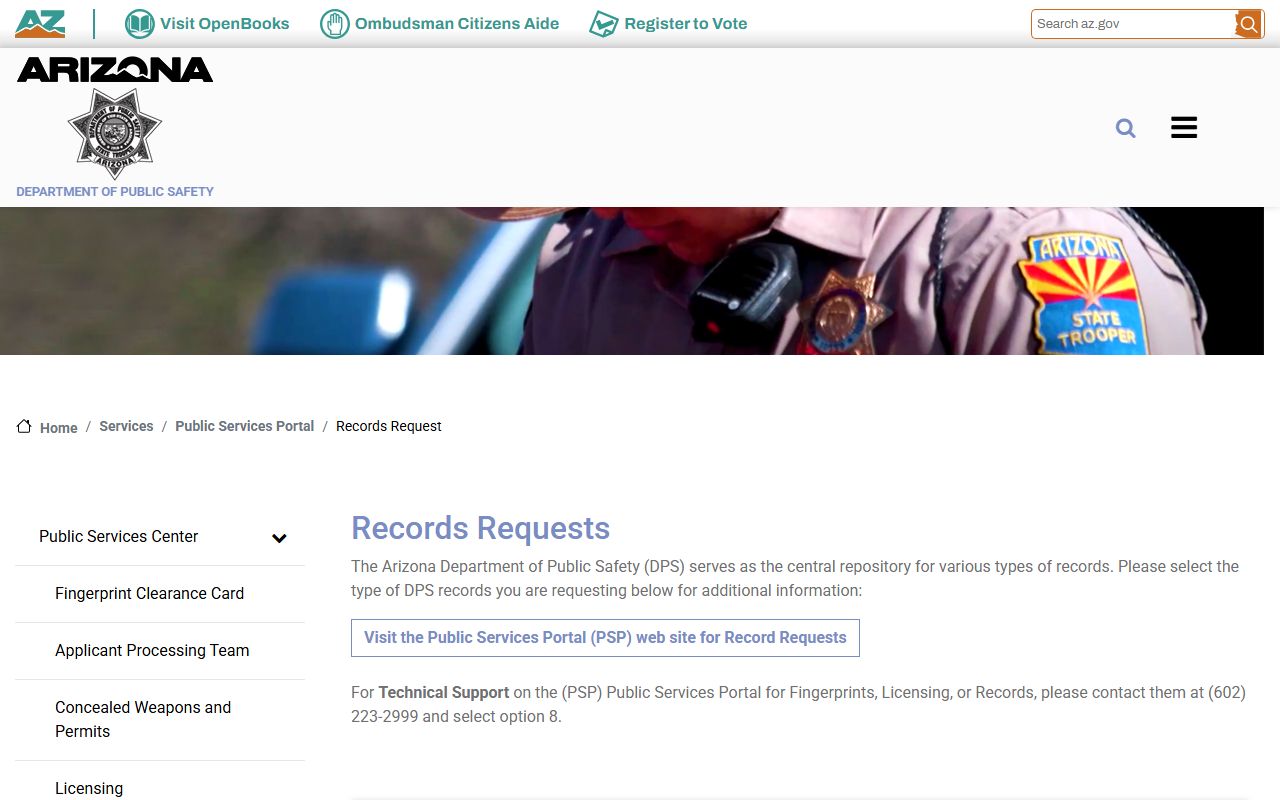
DPS charges $9 for the first nine pages of a report. Each additional page costs 10 cents. You can order online or call the Department Records Unit at (602) 223-2000, option 2. Arizona Revised Statutes Section 28-667 prohibits using accident reports for commercial solicitation. You need a valid reason to request a report, such as being involved in the crash, representing someone who was, or handling an insurance claim.
Electronic Filing System
Arizona courts use AZTurboCourt for electronic filing in traffic cases. This system lets you file documents online instead of mailing or delivering them to the courthouse. Lawyers and self-represented parties can create an account and submit motions, responses, and other paperwork through the portal.
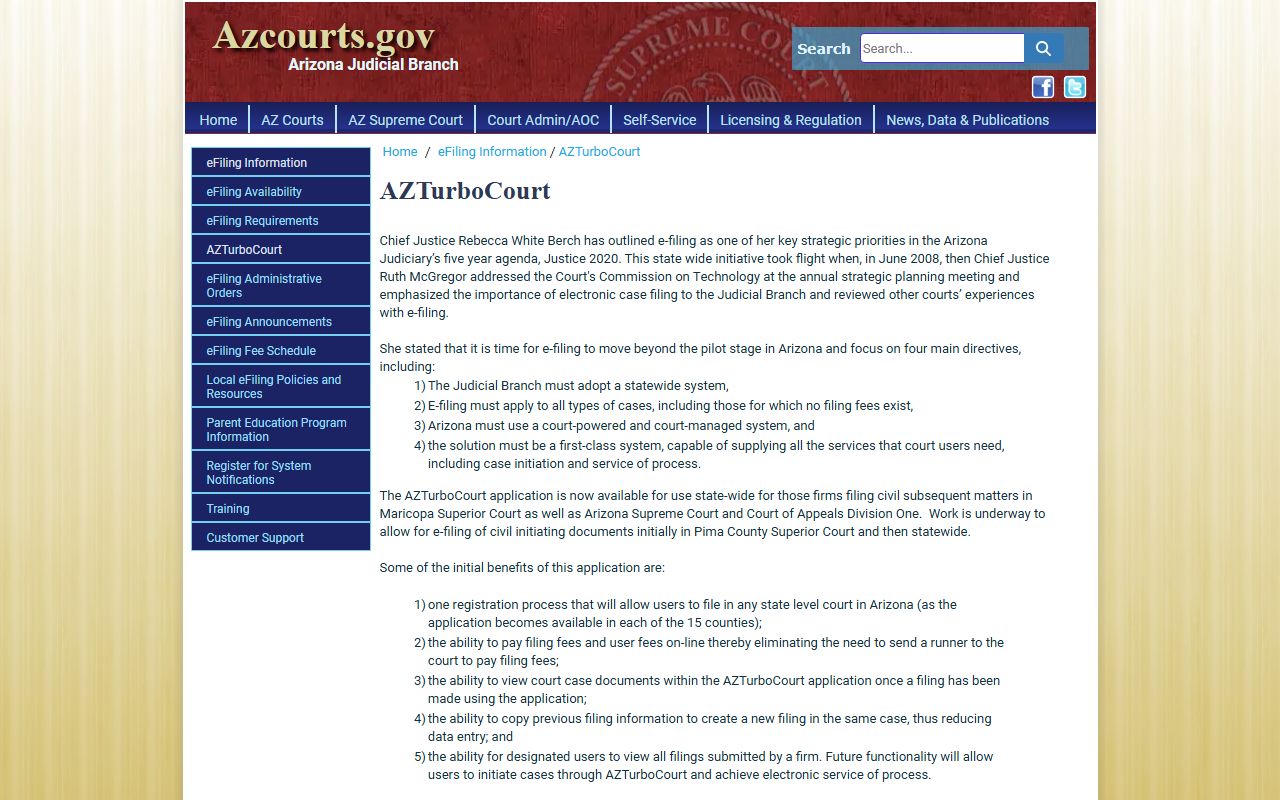
Visit azcourts.gov/efilinginformation/AZTurboCourt.aspx for instructions and training materials. The system is available 24 hours a day. You still need to follow court rules for document format and deadlines. Not all courts accept eFiling for all case types yet. Check with your specific court before trying to file electronically.
Browse Arizona Traffic Courts by Location
County Traffic Courts
Each of Arizona's 15 counties operates Justice Courts that handle traffic violations. Find court contact information, case search tools, and filing procedures for your county.
Municipal Court Records in Major Cities
Arizona cities with populations over 50,000 run their own municipal courts for traffic citations issued by city police. Search cases and find court contact details for your city.